
All was going well until it wasn’t. That nagging discomfort you’ve been experiencing has been progressively getting worse.
So you go to the doctor out of an abundance of caution. She runs some tests.
A few days later, on your follow-up visit, the doctor walks in with a different energy than usual. This time the light-heartedness is gone. This time she’s serious.
Then she breaks the news.
“You have a terminal disease. It progresses fast, an you’ll mostly likely be gone in a year… There’s nothing you can do except try to enjoy the rest of your life.”
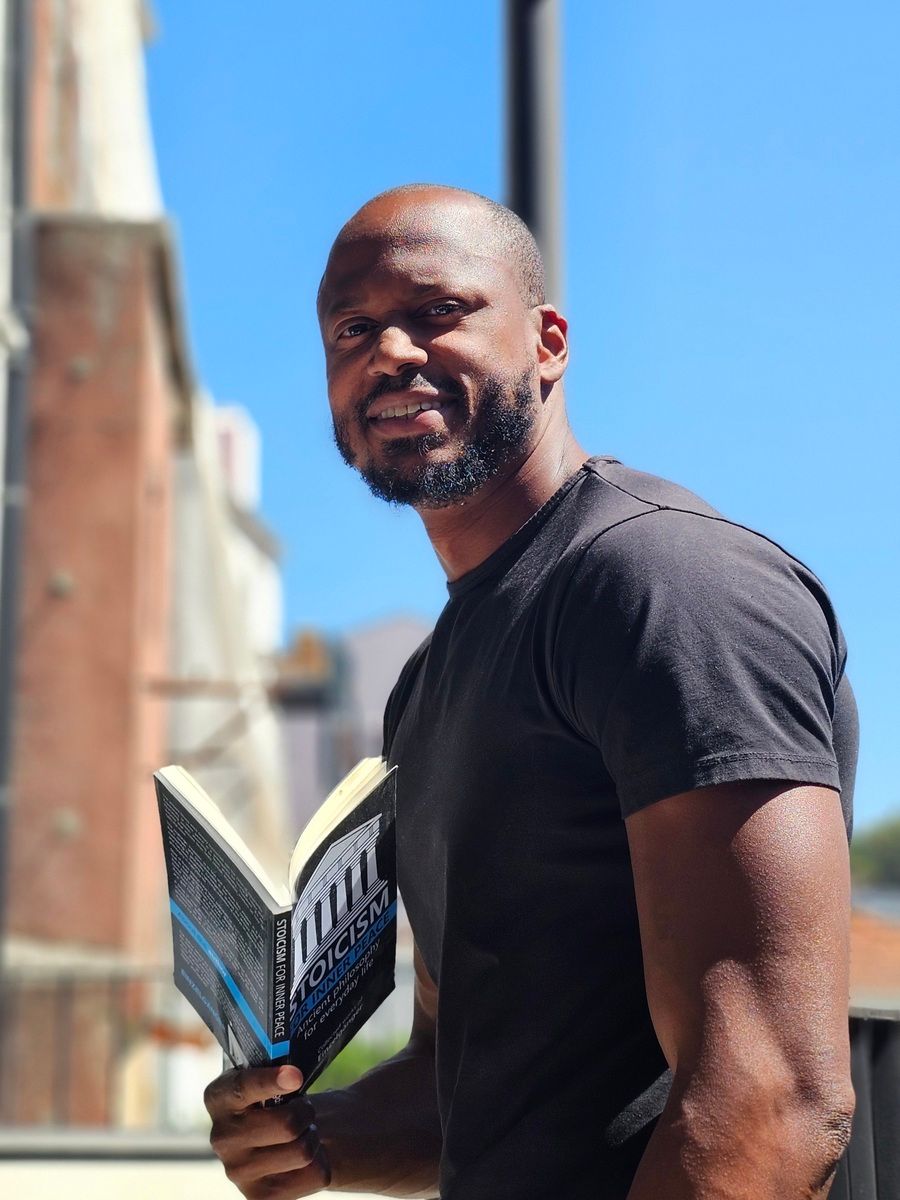
This is the “one year test” that inspired me to go from being unhealthy to ripped, to quit my job and move to Portugal, delete social media, and to stop drinking alcohol.
Because I’m realizing more and more that I’ve been spending too much of my life as if time will never run out.
We treat time as if it is an infinite resource while holding a scarcity mindset about things that are actually abundant.
If you were extremely short on cash. You would probably be extraordinarily particular about where you spend your money.
Because the consequences of running out of money are immediate and tangible.
Time is far more scarce than money. Once you run out of time, you can never get it back. It’s gone forever. And unlike money, time is not renewable, nor can it be lost and then recuperated.
Yet we do not value our time in the same way we value our money.
Quite frankly, people have a tendency to value lot of things far more than they value their time:
Reputation
Material possessions
Comfort
Pleasure
Ego
Certainty
We spend much of our time either protecting or accumulating these things which is likely a recipe for regret later on in life.
It’s not that these things are not important, but rather letting go of unhealthy attachments to these things which bring surface-level gratification, gives one space and permission to spend their limited time here on earth in a way that is deeply aligned with the core of their existence.
Let the regret of time not well-spent drive your decisions today
I’ve talked often about the power of having an anti-vision.
The premise is that avoidance of pain drives our decisions more than the pursuit of pleasure. Thus being extraordinarily clear about the future scenario likely to cause the most pain, will help guide your decisions today.
I cannot tell you what your greatest pain will be in the future, but we can turn to Bronnie Ware’s “The 5 Regrets Of The Dying” to borrow wisdom from others who’ve shared their most painful thoughts as they reached the end of their lives.
“Finding the courage to act or surrender will never be as painful as lying on a deathbed with regrets.”
In short, most people regret never betting on themselves, never taking chances, and following the safe path. They look back in anguish as they recall missed opportunities for following their true purpose, and wondering what could have been.
One prevailing theme is the regret of prioritizing unfulfilling careers and the safety of a generous paycheck over living in alignment with whatever they valued most — family, friends, genuinely fulfilling work, health, exploration, etc.
“Money keeps people in the wrong jobs forever because they think they won’t be able to make money doing what they love, when it can really be the other way around.”
I find it deeply concerning that this level of clarity on what is most important typically doesn’t arrive until we literally have no time left, which is why sometimes I ask myself the question.
“What if I only have one year left?”
The reality of taking time for granted.
What are some tangible examples of taking time for granted?
Staying in an unfulfilling career for decades, waiting until retirement before you start to live life on your own terms.
Letting “life” get in the way of maintaining nurturing relationships with spouses, children, parents, friends, etc.
Scrolling on social media or engaging in other forms of instant gratification over activities that genuinely bring you joy and fulfillment.
These are just a few, but I think you get the idea.
When we lose sight of the fact that our time is very limited, we spend much of it living unfocused lives.
But we can make the decision today to be more focused, to be more intentional, and to be more deliberate.
It’s “time” to start using time more intentionally (see what I did there?).
If you’re midway through your career but feeling like you’re ready to venture on your own, now might be the time to do it while your energy and cognitive skills are at their peak. They will decline eventually.
If you have young children or older parents, but you’re too busy with work to be involved in their lives, then this is the moment to reconsider if you’re using your time as intentionally as you should.
If you find yourself feeling like you spend too much time on your phone, or watching TV, or scrolling on social media, now is the time to take a drastic action by cutting off distractions an committing to that major life project that you’ve “been wanting to start.”
Time waits for no one.
So I pose this question to you:
If you had only one year to live. What would you stop worrying about, and what would you start doing?
Whatever your answer to this question is, use that as the starting point towards designing a more purposeful and fulfilling life that you won’t regret.
Resources for Focused & Intentional Living: